It is crazy to think that I have already been home from the first Haiti trip for almost a month. Med school has felt sort of like living in a time-warp; life is just so busy, every moment, that before you know it, you look at the calendar and you have to change it already.
Anyway, after much delay, I finally got my act together to put some photos up. And by "got my act together", I mean I am unwisely resorting to my most creative procrastination methods to put off studying for a big exam on Monday. (Today I was also talked into joining Twitter... and that was pretty much the end of my day.) Social media is just so much more fun than learning about diarrhea.
However, speaking of diarrhea, (which, after four weeks of the GI module, I can finally spell), it is a very important and pertinent class of disease processes, especially with regards to global health and medical mission trips like this one. Diarrheal diseases remain the second leading cause of infant mortality worldwide, and a leading cause of overall mortality. Cholera, in particular, is currently circling the globe in its seventh major pandemic in modern history, and as recently as October, was causing deaths in Haiti. Fortunately, there are no current cases in the area of Haiti where we were, but there were plenty of other sources of misery.
With that, I leave you with pictures from trip #1. Disclaimer: these are not my pictures- they were taken by someone with much more talent and a much nicer camera. If I get time later, I will try to go back through and add some captions/explanations, but I think that a lot of them speak for themselves.
With that, I leave you with pictures from trip #1. Disclaimer: these are not my pictures- they were taken by someone with much more talent and a much nicer camera. If I get time later, I will try to go back through and add some captions/explanations, but I think that a lot of them speak for themselves.


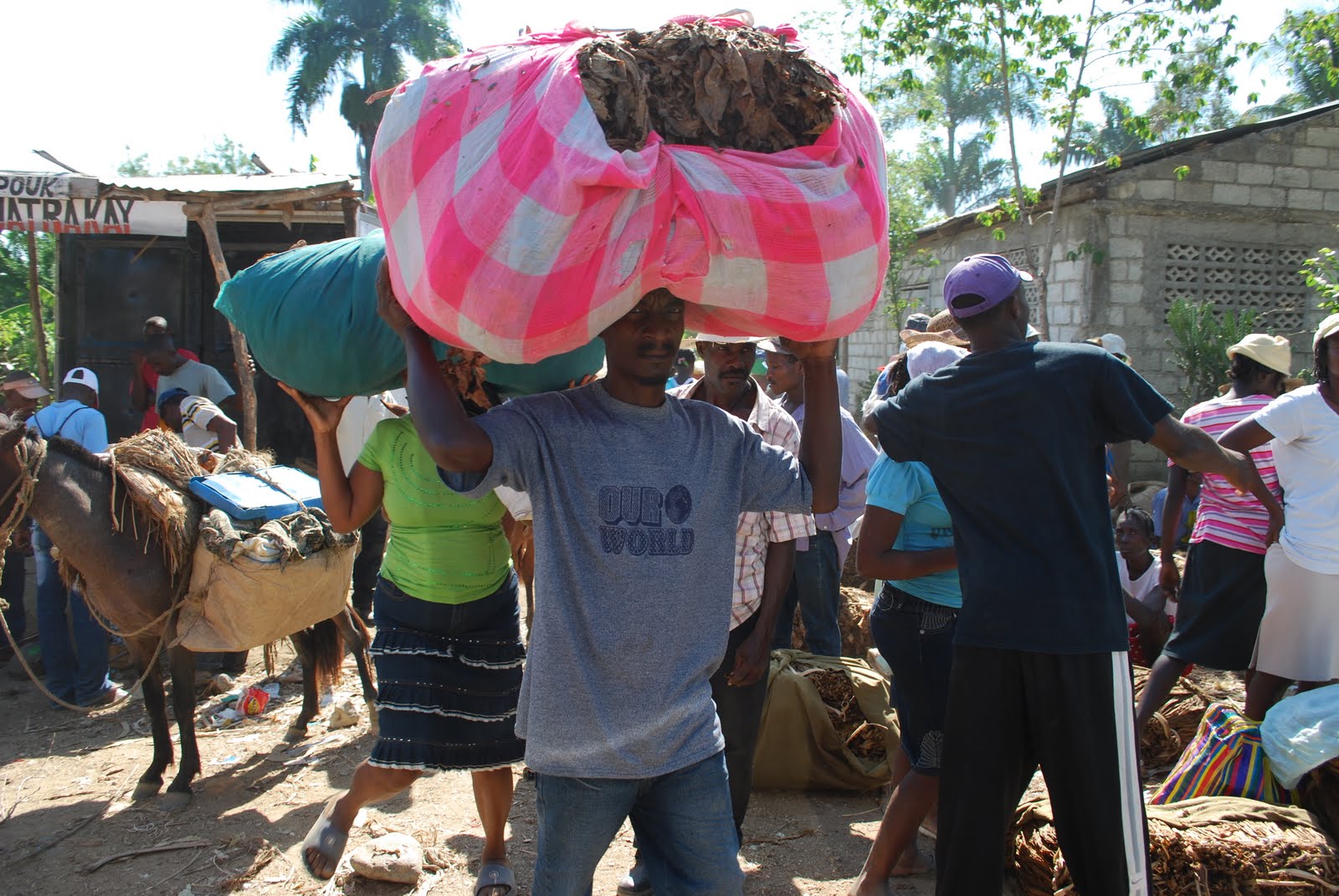


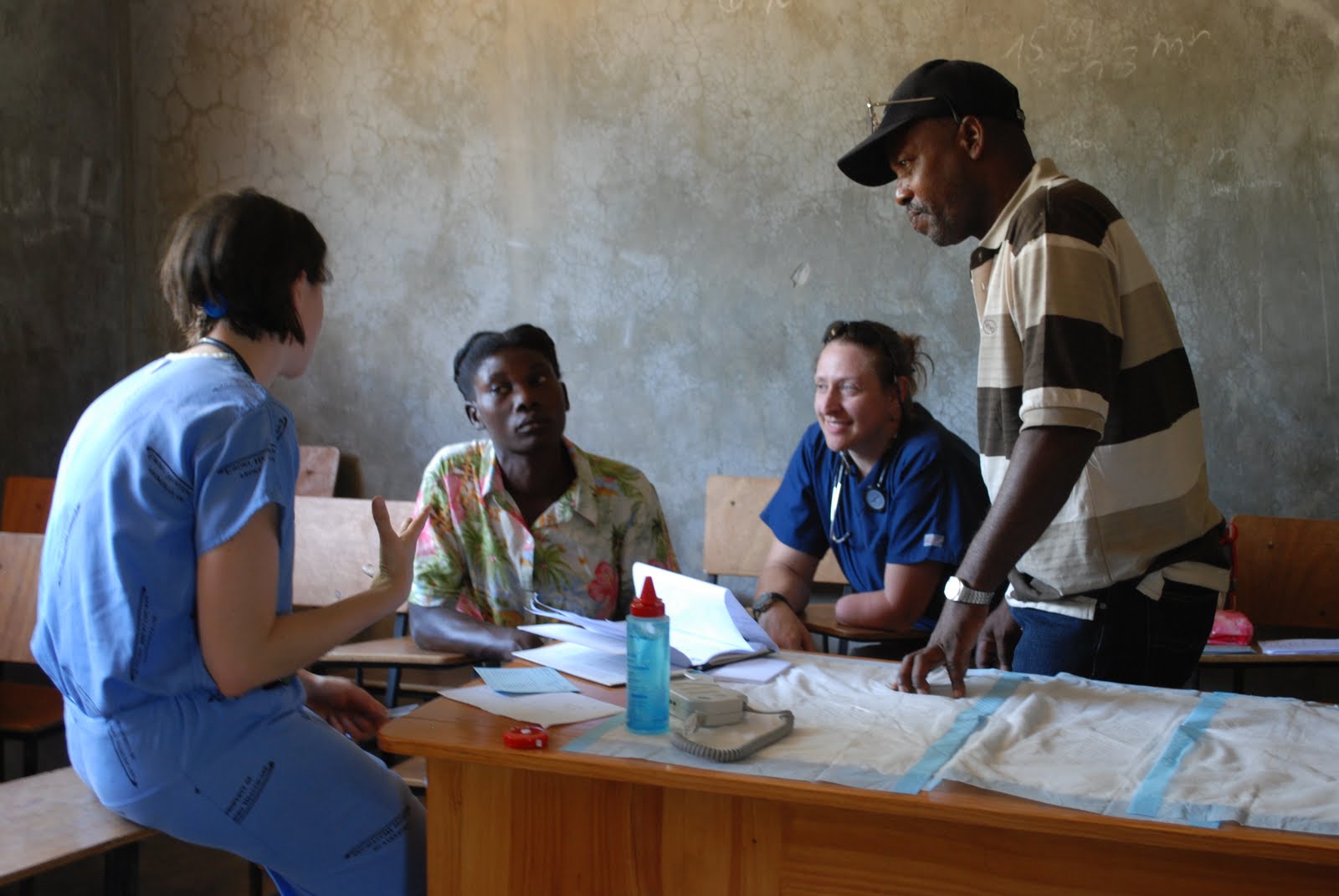


This trip left me with a lot of ambivalence about short-term medical missions. For me, it was really fun, it was an adventure, it was gratifying to feel like we could maybe help a few individuals, and wonderful to get to know some Haitians and a little bit of the country of my sister's birth. Is it worth it, for the community, for the resources spent, for the maybe less-than-ideal care that any patient will inevitably receive at the hands of a provider who can't speak his language and doesn't fully understand his culture? Honestly, I don't know if I have a good answer to that. I am really glad to be able to go back in another month or so, although I am not sure that another similar trip will get me much closer to clarity on this issue. Something to keep thinking about, I guess...


